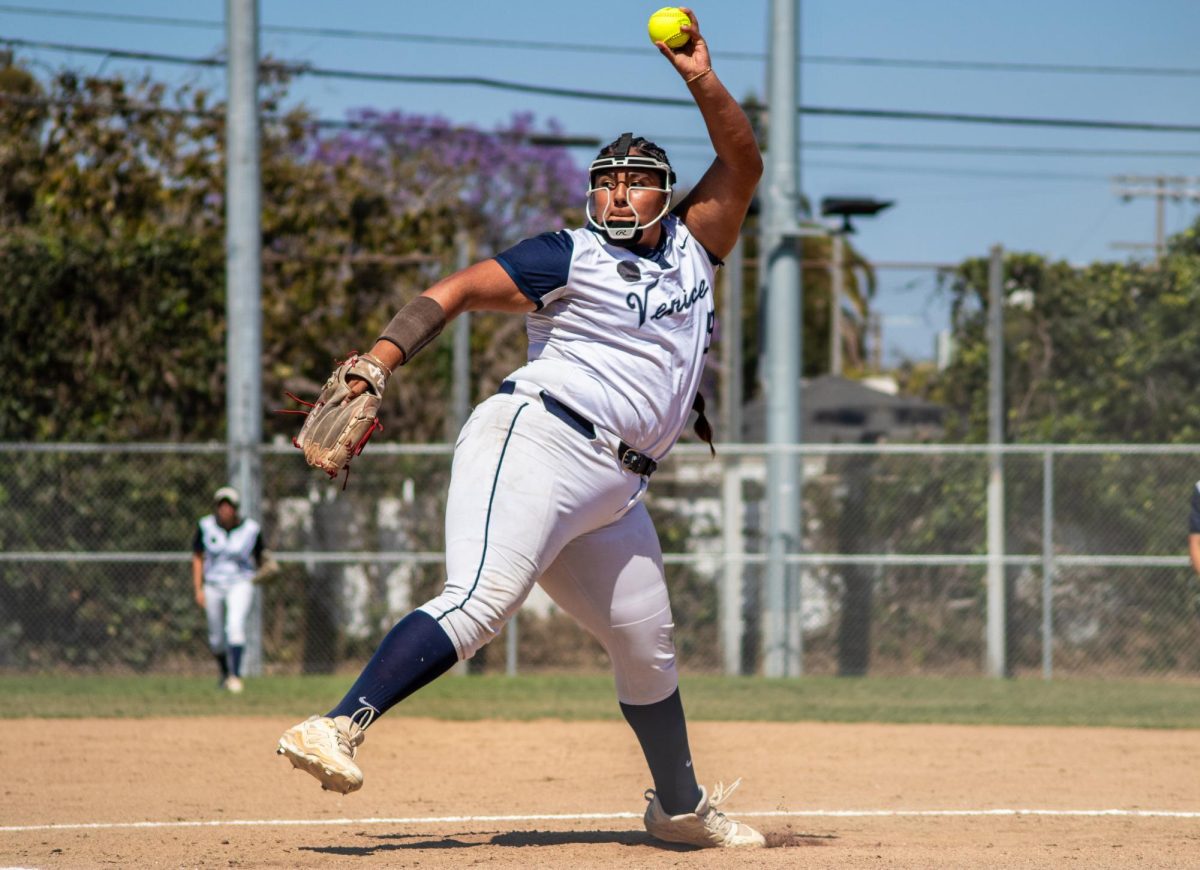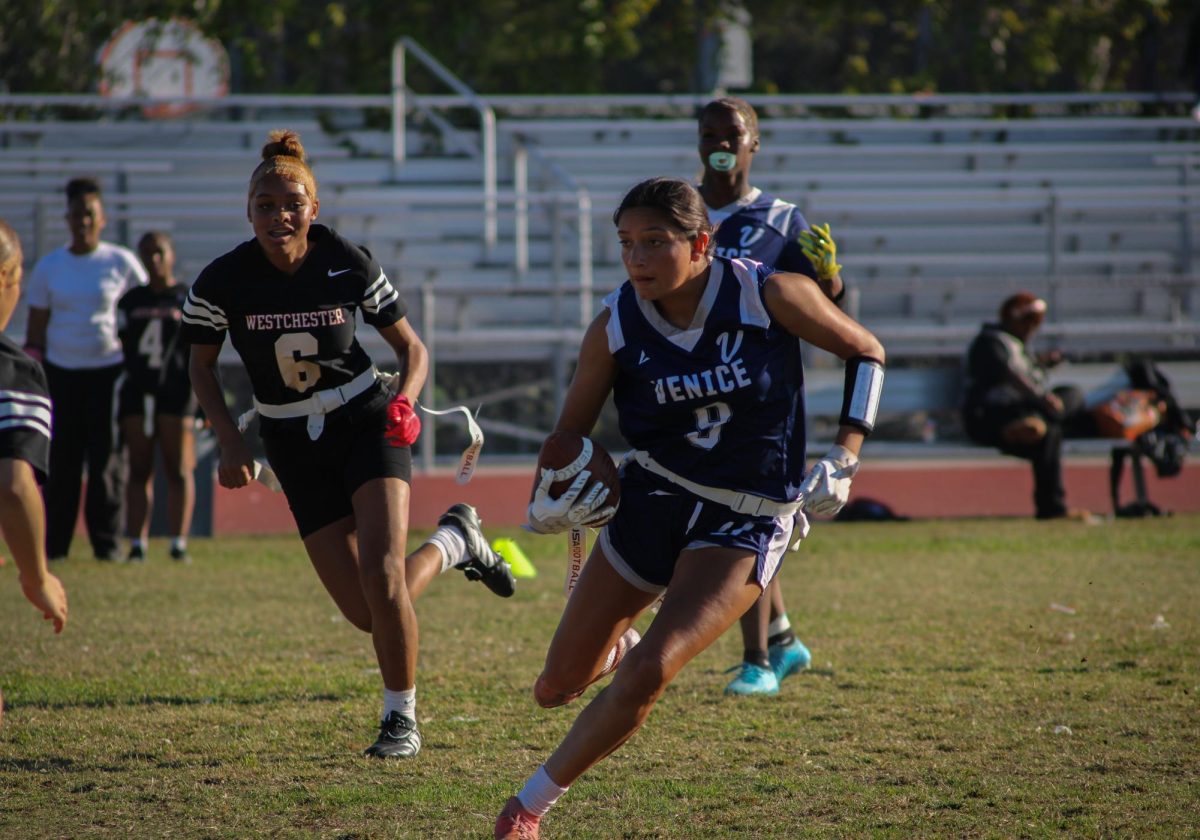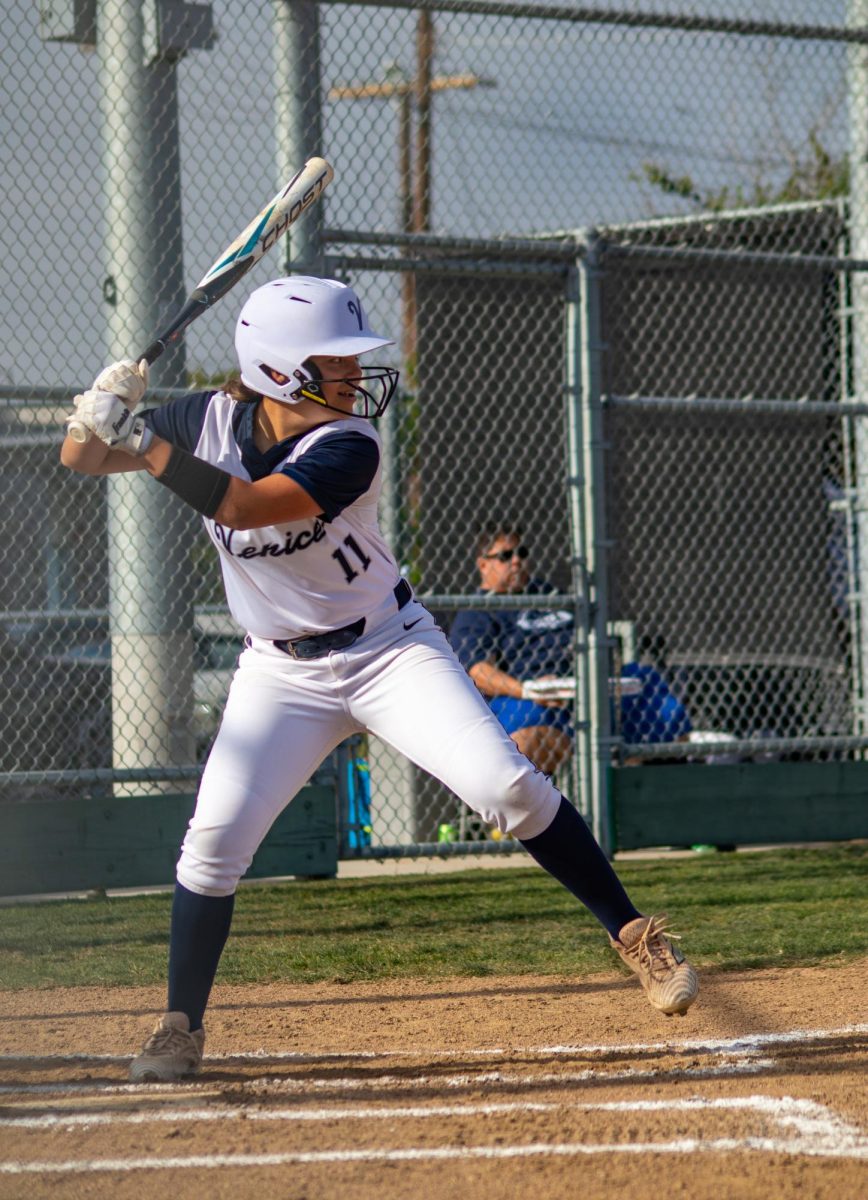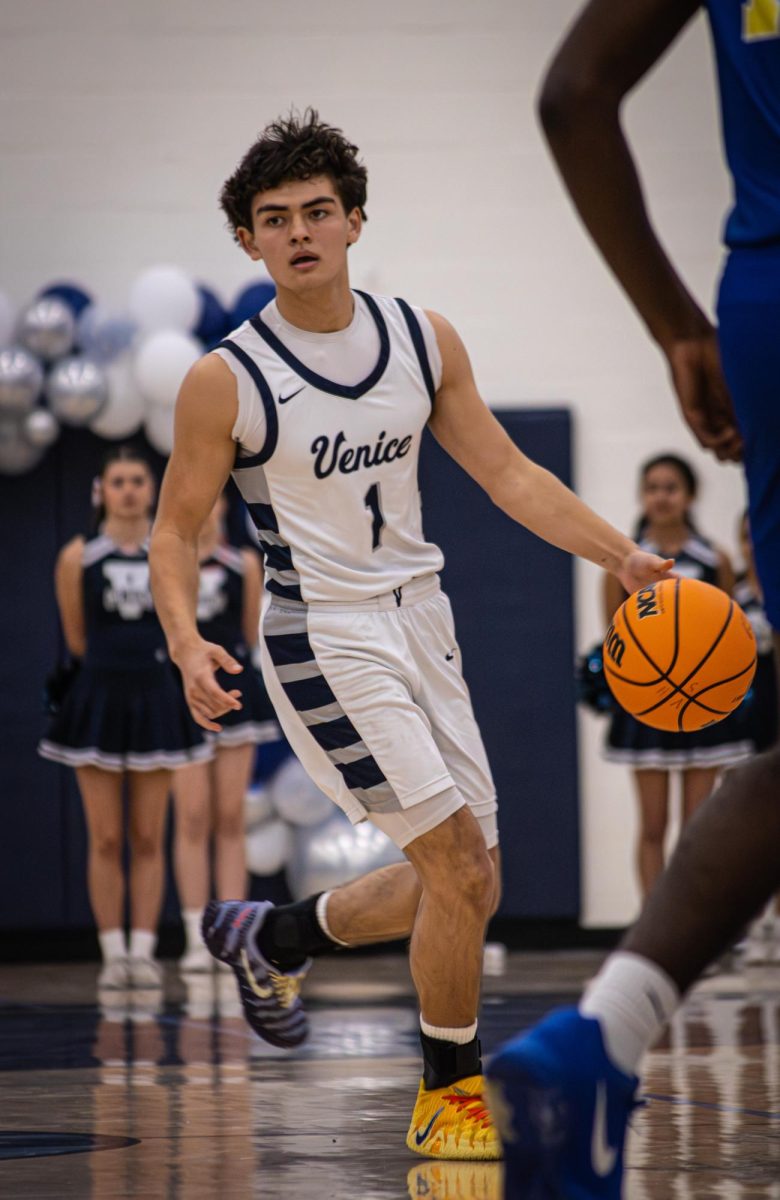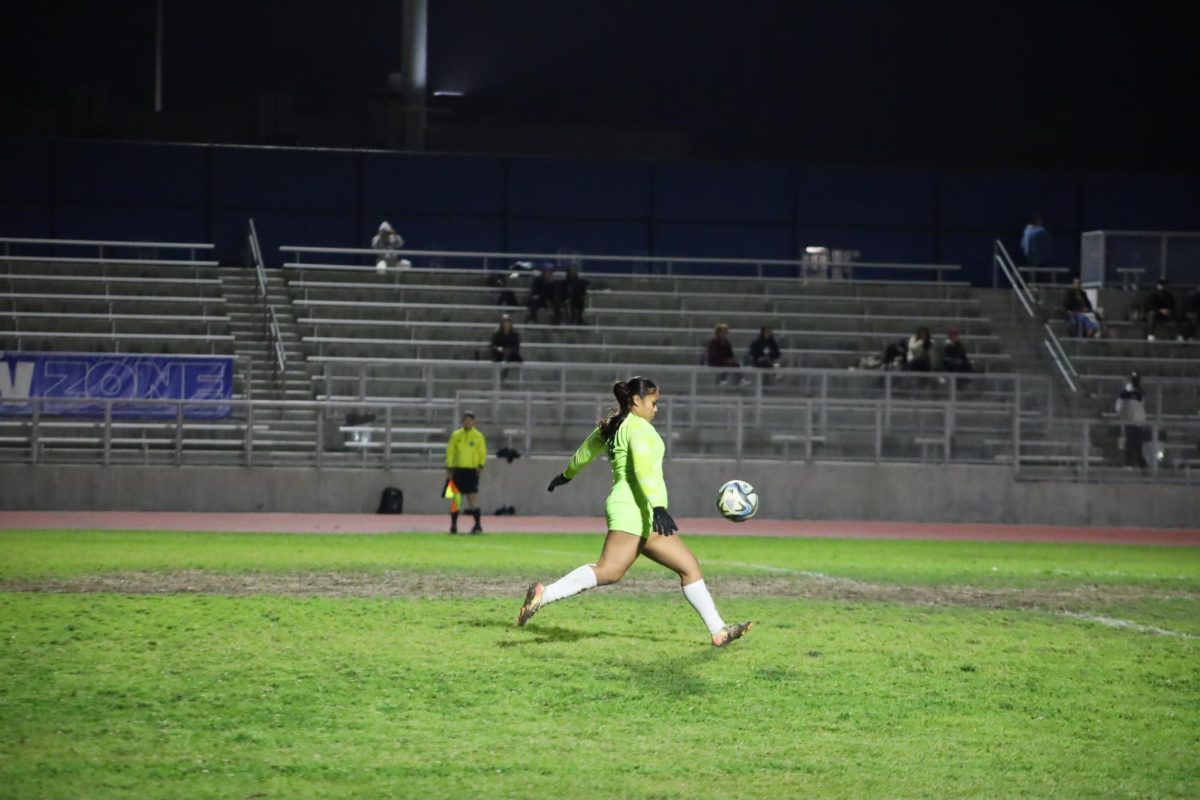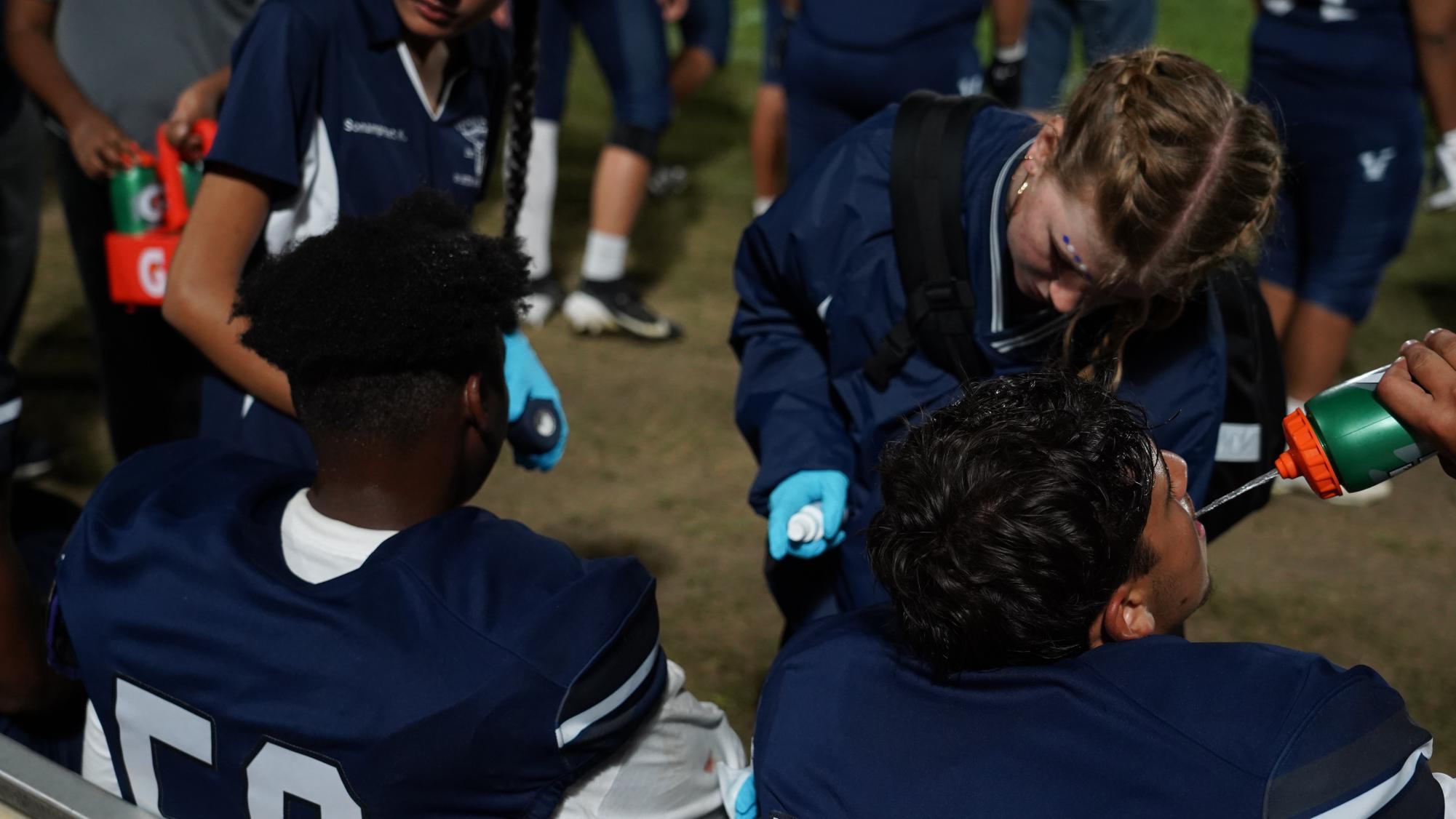
While many Venice High athletic teams play on grass at home, these teams visit schools that feature synthetic surfaces like turf.
This spring, LAUSD hosted community meetings and offered an online survey to school communities that explored the future of LAUSD athletic fields.
According to Krisztina Tokes, LAUSD’s Chief of Facilities, the Board recently received an update on a comprehensive “data-driven assessment” of natural and synthetic turf that is currently underway.
The study, released in April of this year, divided considerations into four primary categories: “playability, safety, environmental impact/sustainability, and maintenance costs.”
“Both natural and synthetic turf have advantages and tradeoffs, which is why the District is conducting a comprehensive study before considering any policy changes,” she said.
According to Kevan Murgia, an associate athletic trainer for the Los Angeles Rams, statistics do not clearly favor one surface over the other.
“The data really doesn’t show a discrepancy between turf and grass when it comes to injury rates,” Murgia said.
He explained that years of research have shown that “there’s no real difference in major injuries like ACL or Achilles tears between turf and grass.”
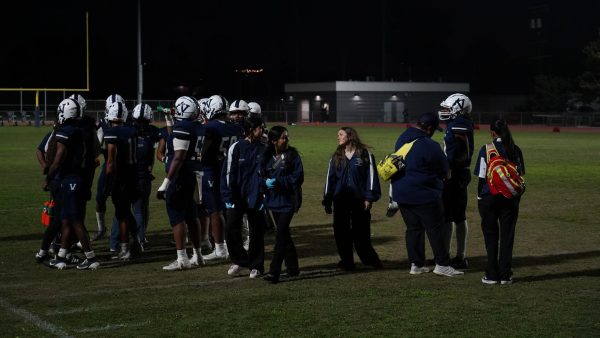
Marc Reichling, the Director of Sports Medicine at UCLA, also believes the issue is more complicated than simply choosing one surface over the other.
“It’s hard to say what surface is actually better because there are so many variables involved,” Reichling said.
Reichling also noted that both surfaces have their distinctive advantages and disadvantages.
“From a consistency standpoint, turf can sometimes be safer because it drains better and doesn’t get muddy,” he said.
Temperature is another consideration with turf. According to the “Resilient Schools: Extreme Heat Mitigation & Disaster Preparedness at LAUSD Resolution Interim Progress Update” presentation,” turf “retains heat” and has “less permeability.”
One reason turf is popular is because it is more durable. Unlike grass, turf does not become muddy as easily and can be used for multiple sports and events without getting destroyed.
According to Murgia, turf is often easier for organizations to manage.
“From an ownership perspective, turf can be cheaper and easier to maintain,” he said, adding that indoor stadiums may struggle to grow healthy grass because of climate and sunlight conditions.
Many athletes and trainers still personally prefer natural grass because it feels softer and more forgiving.
“Natural grass gives more than turf, so it can feel easier on the body,” Murgia said.
Sports medicine teacher and athletic trainer Arbhie Guce also enjoys the tradition of grass fields.
“When you smell the grass after it’s cut before a game, that’s part of the environment and makes it feel like game day,” he said.
Theo Kinsella contributed to this piece.