I can remember the first lock down I ever had like it was yesterday—the way the air flew out of the lungs of my classmates and how the laughter that had just filled the room vanished in mere seconds. A single announcement, heard through a muffled and outdated loudspeaker, became the only thing that mattered in room 103, the only thing any of us would think about.
Years later, I still think about the way I looked at my classmates, these kids I’d grown up with, looking at me with nothing but the eyes of the children we all pretended we weren’t, but couldn’t run from that day.
We don’t talk about it much in school–the kind of effect lock downs have on kids, the aspect of our childhoods transformed and forever marked even when no one dies and everyone goes home safe—because we know that somewhere in America another classroom wasn’t as lucky.
I remember asking my parents about it—about how school shootings I’d learned to fear could be prevented, about what was being done to protect people from the issue every kid in America becomes aware of as soon as they enter a school building. But I don’t remember what they said. I just remember what they couldn’t say. That the government, the president, anyone with a shred of power was doing something–anything to solve this problem. I just remember their blank expression, unsure what to say because what do you say when it feels like every other day there’s another mass shooting.
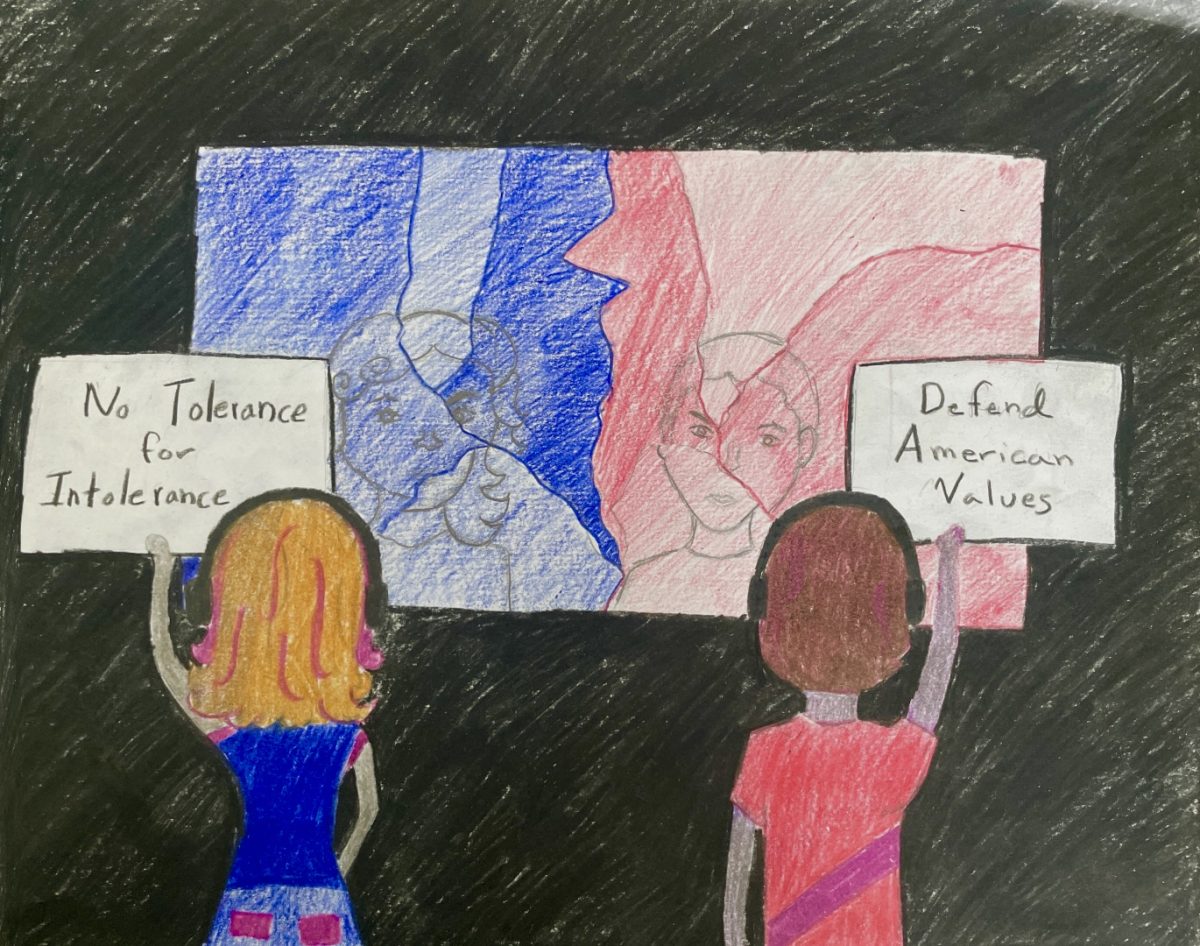
But it seems the pure magnitude of bullets flying, of children being carried into a casket, of tears shed on American soil subdues us into a state of numbness, that when we hear two kids were shot and killed, we thank god it wasn’t 20. In America, the number one cause of death for children ages 1-19 are firearm related injuries, according to Johns Hopkins. Once again, America has taken an issue that should simply be a matter of good and evil, and turned it into yet another political battle between the left and right. Political debates are now centered around mass shootings as victims’ names are thrown in the ring as a debating tactic, used until the media circus takes away from the true issue at hand.
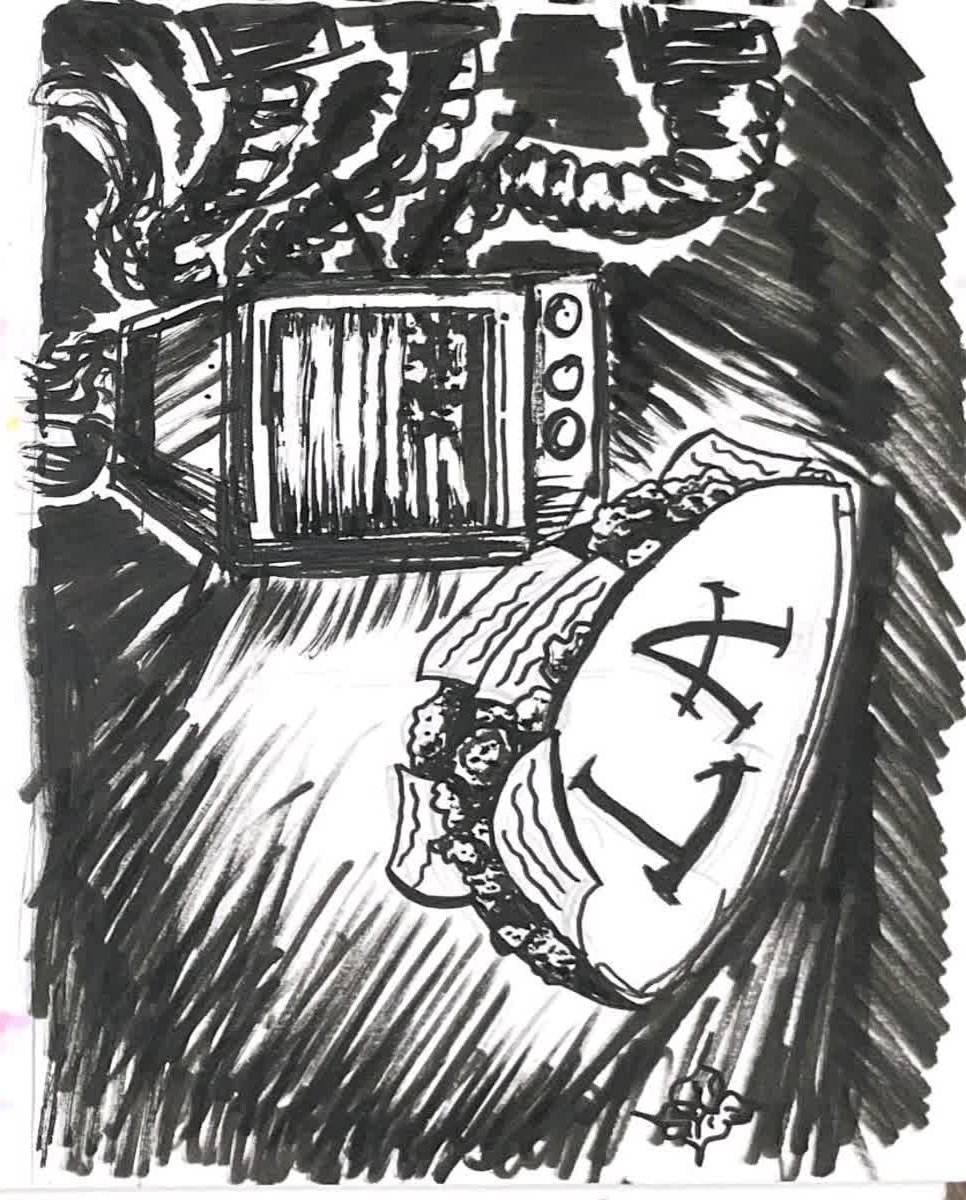
When you turn on the news in America, there’s an understanding of the kind of headlines that could greet you, the possible tragedies, the latest victims whose faces could flash across your screen. But instead we remember what politician said what, and we think about whose side to be on. And before we know it the faces are forgotten and the discussion is different.
Once again gun violence has taken center stage in America, and is more political than ever. In the past few months, political violence has escalated—first with the murders of Minnesota Democratic Representative Melissa Hortman and her husband Mark Hortman, along with Charlie Kirk’s recent death. It’s transformed politics into a real life battlefield. Since 2024, 35% of violent attacks have been targeted toward government officials, almost double from the year before according to the University of Maryland. However, almost none of these attacks seemed to be discussed in the widespread media until Charlie Kirk was killed, which sparked widespread outrage. I feel like we live in a society where until everyone can personally relate to an issue, no one cares and therefore no change begins.
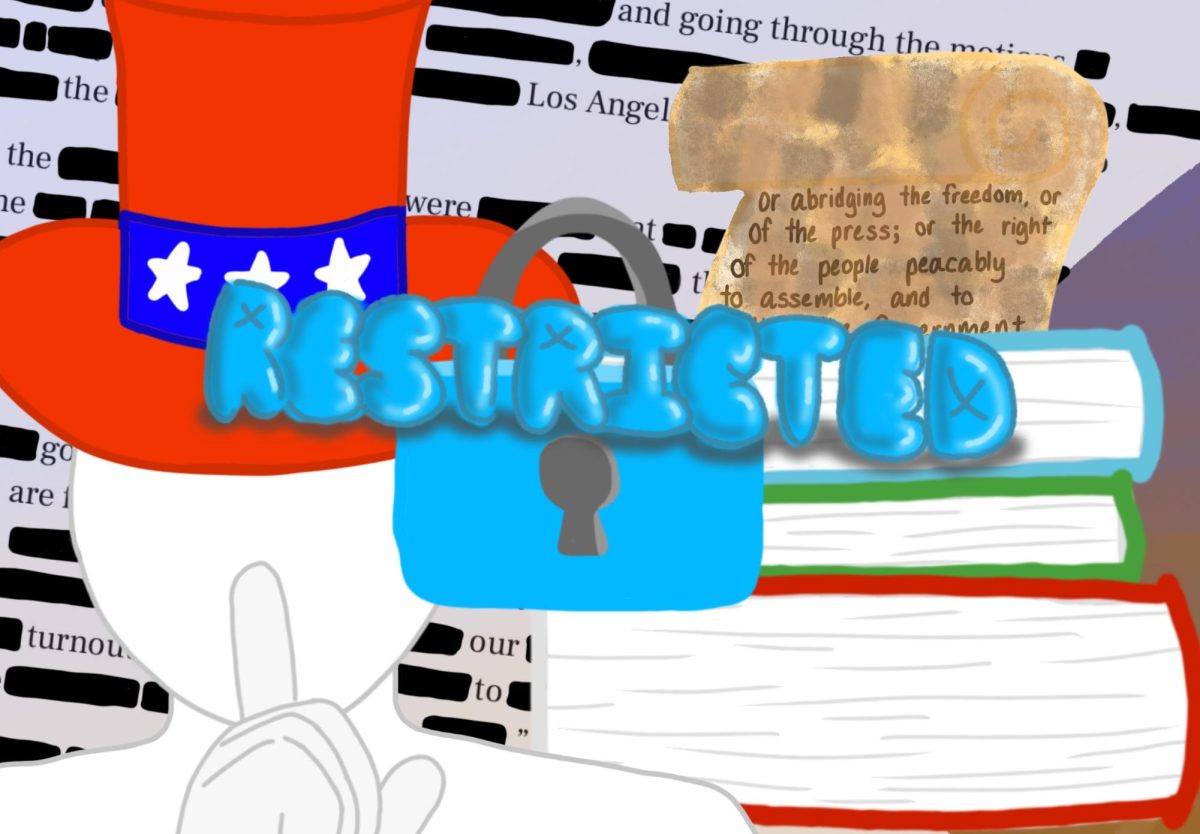
What stood out about Charlie Kirk’s death to so many was that he was a voice for many people’s opinions, and with his death people felt attacked too. But the problem is, the more politics overshadows an issue, the more deaths are overlooked, blame is cast, and before we know it we as a country forget that the true issue lies behind the gun and not behind the politics.
We have to remember political violence isn’t new. We all grow up hearing about politicians like Martin Luther King, John F. Kennedy, and so many others whose beliefs cost them their lives. But what makes today’s landscape different is that there doesn’t seem to be a clear right and wrong anymore. Instead of humanity, we as a country choose political turmoil every single time, subduing us into a numbness until one side of the spectrum is spurred into outcry.
But despite the attempts to cast blame, as a nation we have to remember no one is exempt from the bullets that continue to fly, no matter what political party you claim. There isn’t a sole person, party, or law responsible for the excess of gun violence in America. To say there is would be a gross understatement of the issue that is quite literally killing us all.
Just this past month, Venice went under lock down. My best friend sat in the seat next to me, and while we normally spend that time talking and laughing when we’re not supposed to. All we saw reflected back at each other was our own fear.
When we heard the announcement, locked the doors, and were subdued into silence, it’s not like I was surprised. We all knew this could happen. Instead every worst case scenario flashed through my head—the slightest sound in the hall making me jump, and my mind full of the faces of my friends. Because even if we were safe doesn’t mean they were.
But then, it was just over. And we were supposed to pretend like nothing had happened and that everything was normal. But it’s not. The fact that our country can’t get over itself, and realise that the longer we wait to form a solution the more fathers, mothers, and children will die–is a tragedy.
Fighting is not the answer. Bullets are not the solution. And I for one refuse to be a kid who doesn’t graduate college because an AK-47 has other plans.