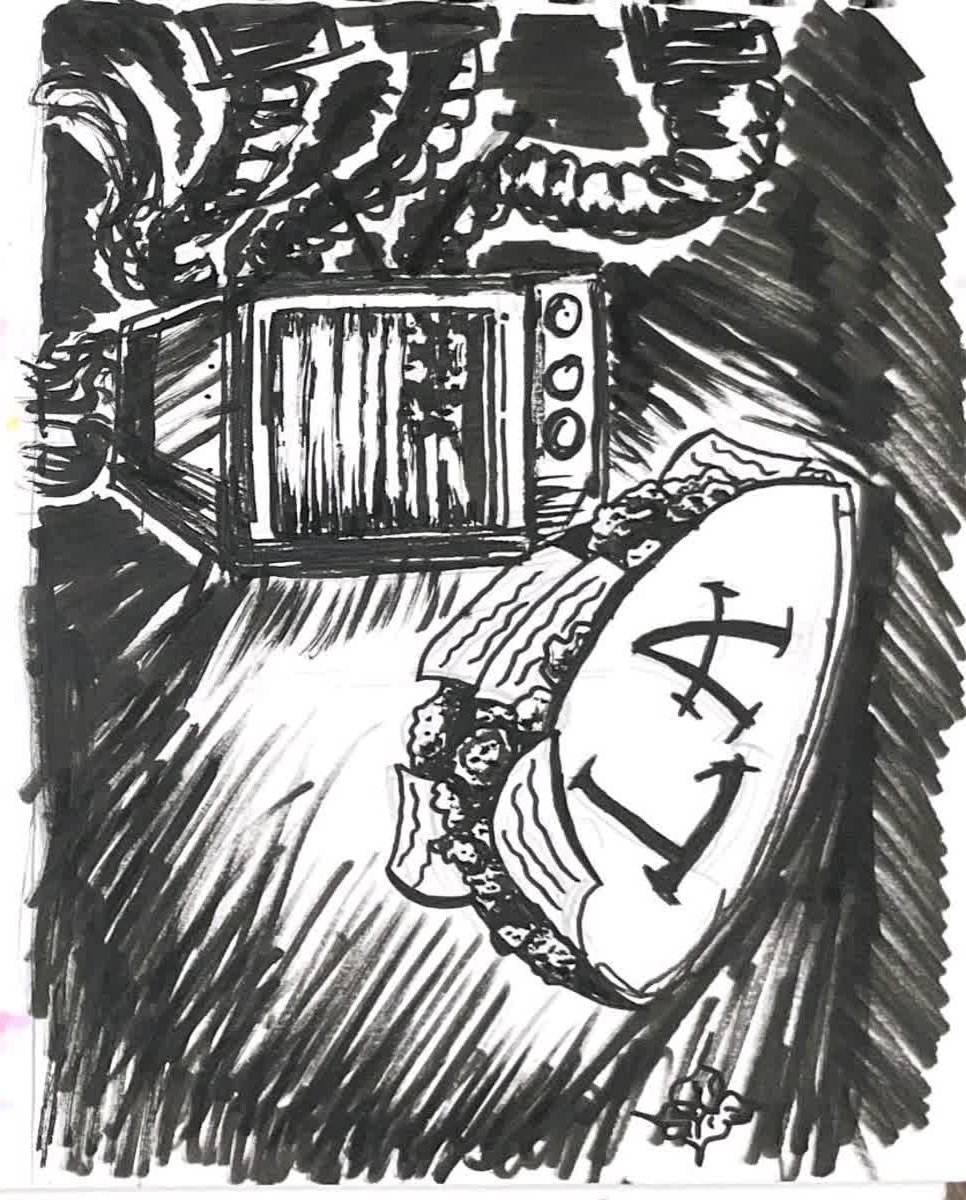
L.A. Taco began as a casual blog documenting tacos and graffiti in 2006. Now, it has become a renowned media publication dedicated to sharing the stories of Los Angeles.
As a student experiencing the ongoing ICE raids in LA of over 300 days, I have relied heavily on L.A. Taco’s reporting to receive a comprehensive understanding when it comes to the way local communities are being impacted by the Trump Administration.
Recently, I got the chance to speak with Memo Torres from L.A. Taco, who has extensive experience as an L.A.-based journalist documenting current political events.
Structural realignments of power. Privatized military. Media censorship. These are the symptoms of democracy in distress—and here is how L.A. Taco fits into all of it.
L.A. Taco is unique when it comes to being an independent media outlet. Contrary to the common assumption, it’s not actually a non-profit organization. Torres explained how the non-profit model is unsustainable, because non-profits primarily rely on funding from grants that may come with stipulations on the kind of reporting that can be conducted.
“Non-profit is not a sustainable model for us,” he said. “We’re a for-profit company, because that’s the best way to be able to report with any restrictions or pushback.
“[We] are able to hold power accountable and tell the truth,” he said.
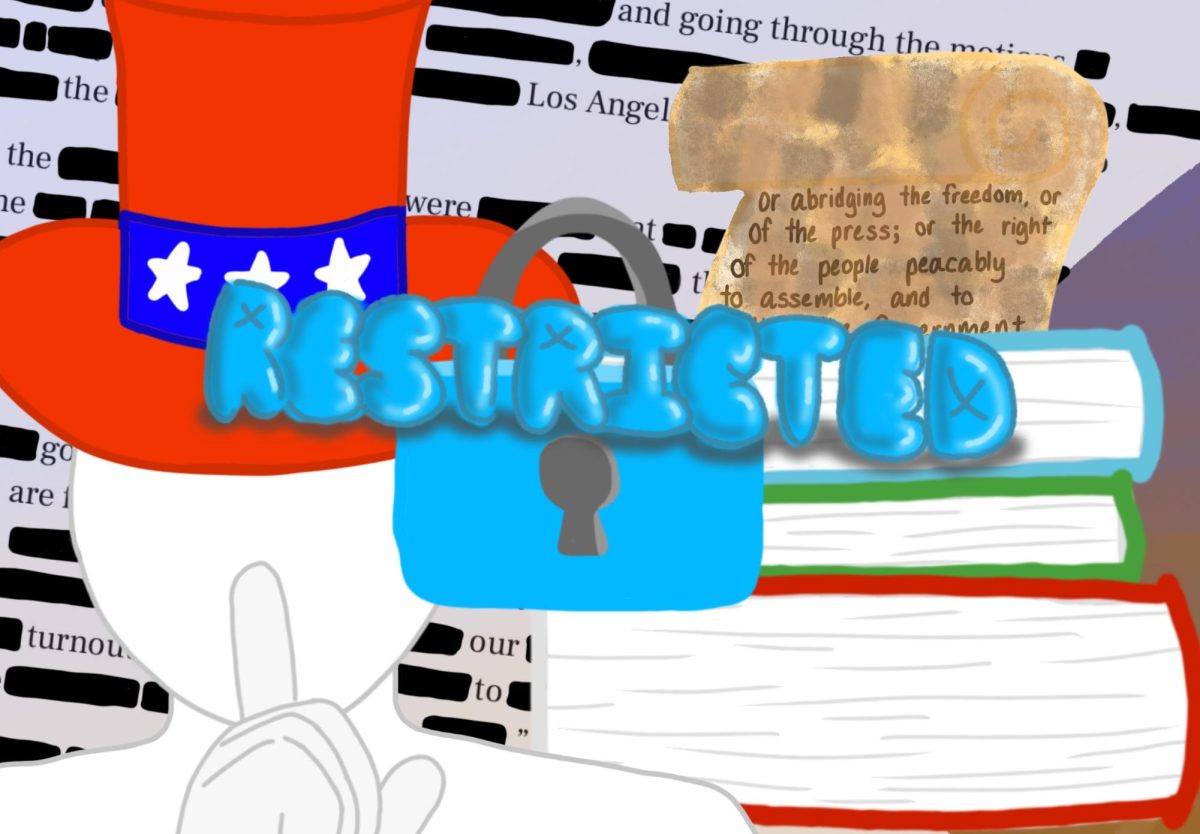
Media censorship is a huge issue right now, especially when it comes to larger corporations. No single entity has excessive influence when it comes to L.A. Taco. They are a publication by the community, for the community—and right now the community needs support when it comes to the ICE agents who have been patrolling our neighborhoods for over 300 days.
“Historically, you’ve seen Operation Wetback. You’ve seen Nazi Germany. These regimes were smart about it,” Torres said. “It’s surprising to see that it’s not being hidden anymore.”
Within the past year, our government has reminded the public of the United States’ chilling efficiency in implementing blatant violence on an unprecedented scale. The current powerholders in government have been able to go further and further with minimal consequence. ICE has become much more than “Immigration and Customs Enforcement”.
As Torres puts it, ICE is meant to “go after anybody that’s anti-capitalist, anti-Christian, and anti-America.” Society is witnessing the development of military police, but it doesn’t seem like people realize what’s happening. Then again, it depends if the media outlets we rely on will deliver undiluted truth.
“They’re going to continue to distract you with escapisms,” said Torres. “We have to stay alert and learn of these systems, because they’re not going to teach you the history.”
The media was never designed for the general public. At its inception, it was reserved for the elite, accessible only to those who had the privilege of literacy.
“It was for the upper echelon, for the billionaires to exchange notes with each other about what’s going on,” said Torres. “You control the media, you control the narrative.”
But it’s up to the rest of the population to take it back.
The media can be a battleground—in the political sphere and on the streets. In Los Angeles, many reporters were injured by law enforcement during last year’s ICE protests in Downtown. According to data collected by the U.S. Press Freedom Tracker, June 2025 saw a stark increase in incidents between local authorities and journalists. The protections journalists are supposed to have seem to be utterly nonexistent at times.
Journalism remains a necessary public service. The power of the press is more than just education: it is a tool of resistance.
Torres said, “If you’re not writing your stories for your community, who are you doing it for?”