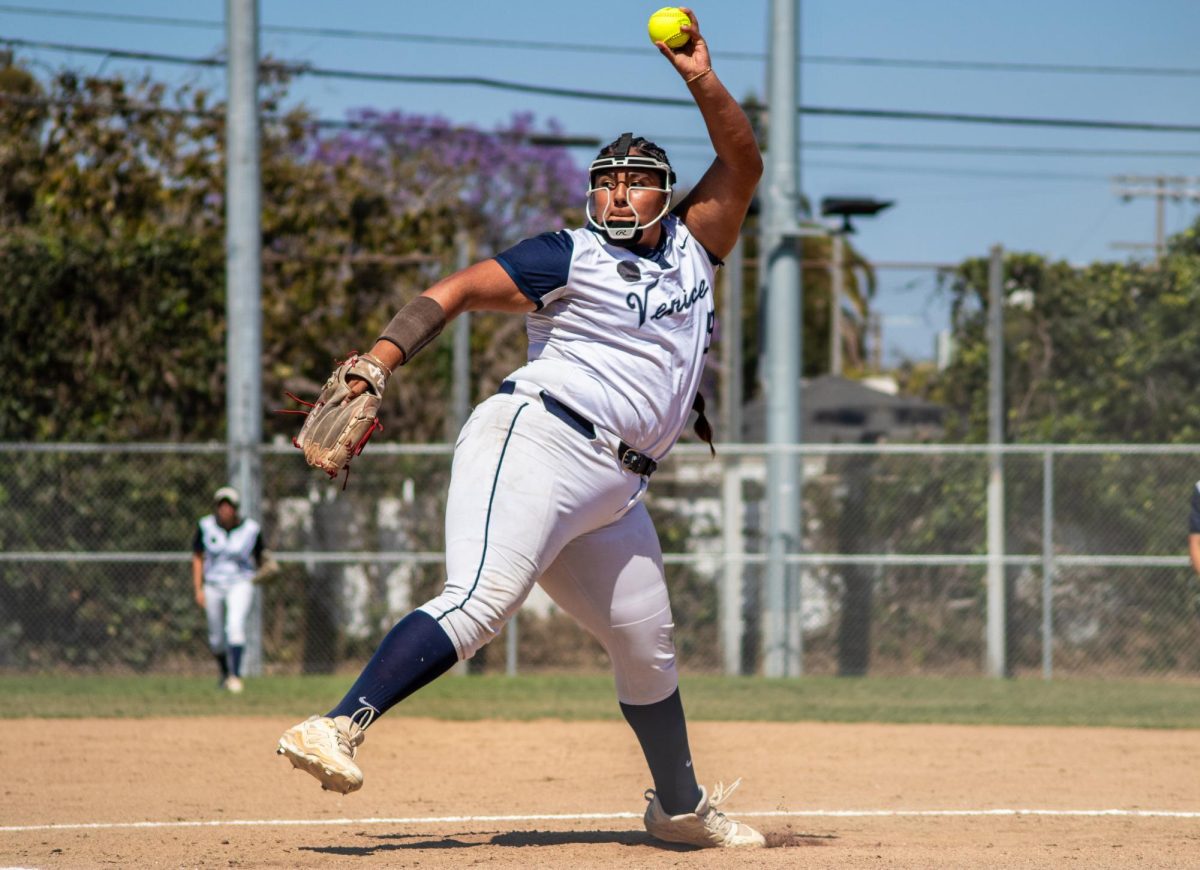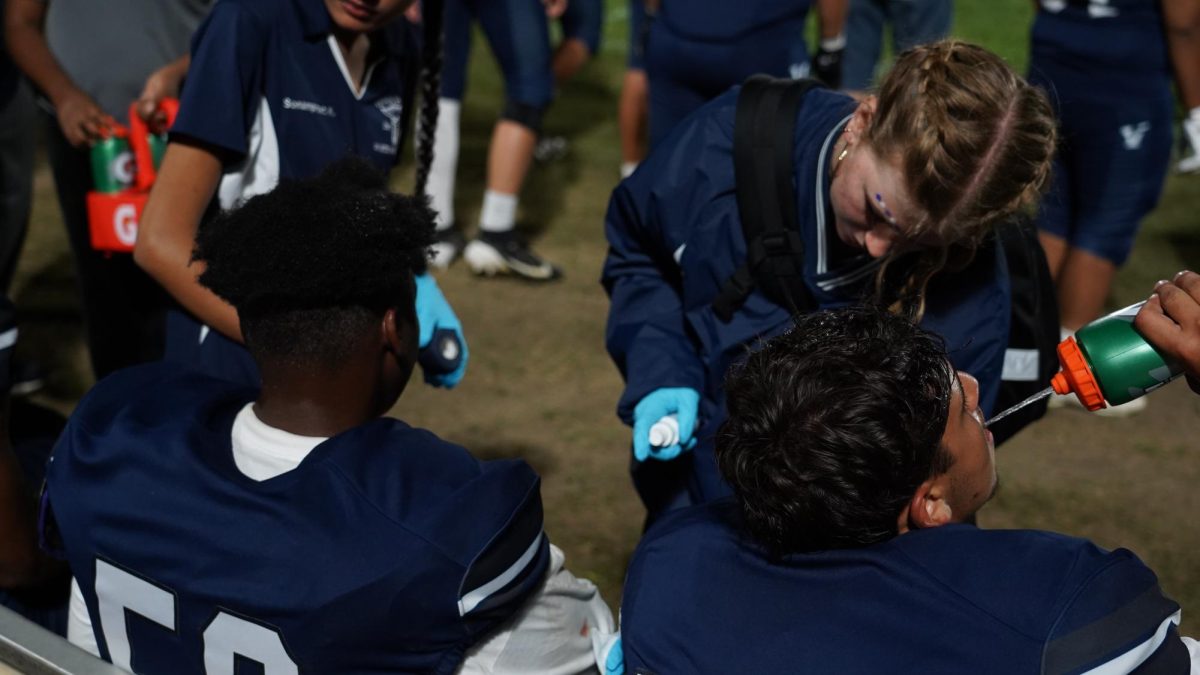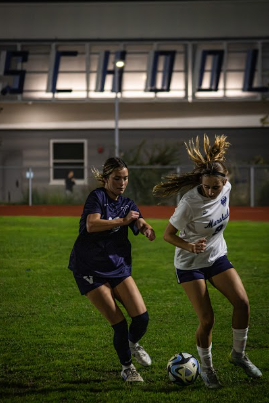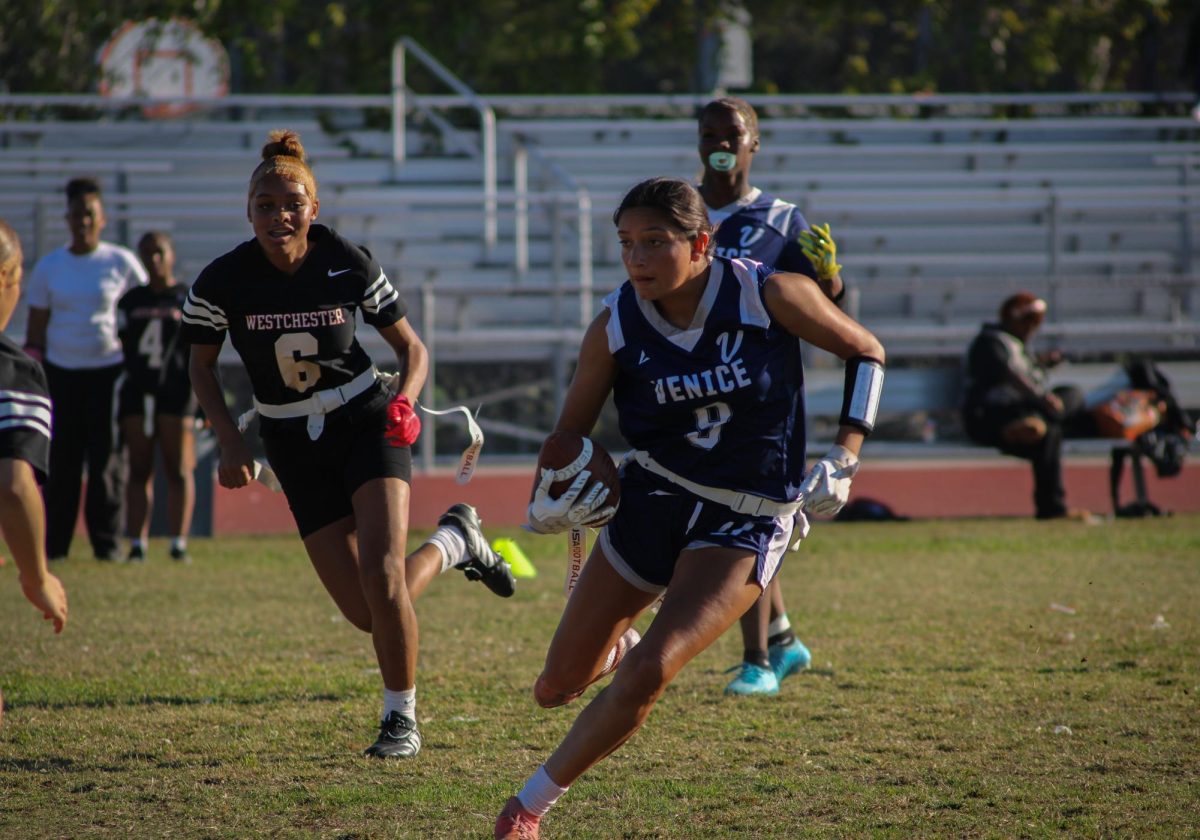
Whether due to hopelessness or hatred, people do not believe that queerness in sports is possible. With the hypermasculine culture of sports that relies fully on strength, leaving room for no weakness or vulnerability; LGBTQ+ targeted insults thrown around in locker rooms and played off as just banter; and the nature of many sports that relies on teammates being able to collaborate effectively and put their differences aside, being queer as an athlete can feel utterly impossible.
Though I am barely an athlete—and definitely not a professional one—I have often felt this sense of impossibility in other aspects of my life. I am somebody who carries many identities and for a long time—whether consciously or not—wherever I went, I would decide which one identity to prioritize. If I went to an event focused on queerness, I would check my Japanese and disabled identities at the door like a heavy coat.
Even now when I am on the goalball court, my queerness, transness, and Japaneseness are left on the bleachers next to my bracelets and phone. The only thing I am on the goalball court is disabled and that’s only okay because so is everybody else.
Of course, I can never actually take off my identities like a coat or leave them on the bleachers. I cannot separate them from myself—attempting to do so would be as fruitful as an attempt to separate my blood from my bones—I would not survive it. All I mean is that when I decide which identity to prioritize, I simply don’t speak of the others.
This is, of course, no way to live. We all hold many identities. We are all intersectional beings. But for some reason, I cannot find a way to be all of me, all at once.
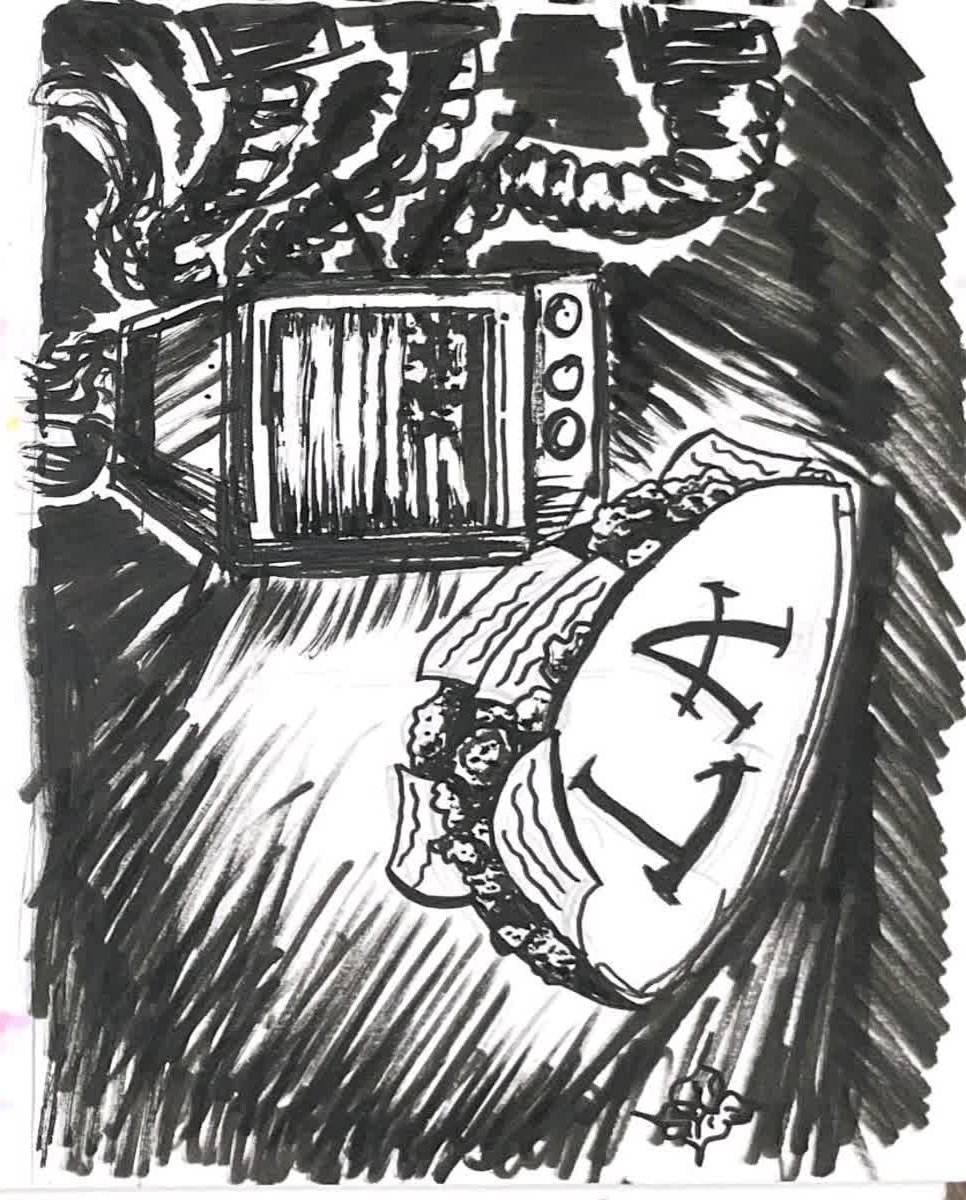
Being queer and an athlete can often feel like an impossible combination, but Heated Rivalry has made these two identities feel not just possible, but probable.
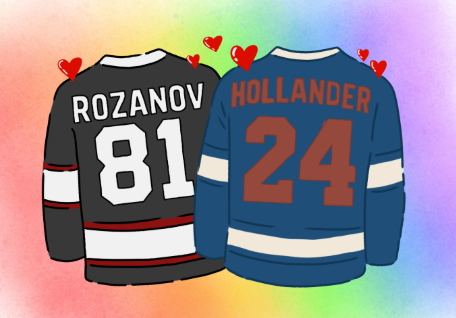
Heated Rivalry, a TV series based on the novel by Rachel Reid, follows Shane Hollander and Ilya Rozanov, two professional hockey players, as they go from teenage rookies to the most well-known and celebrated players in the National Hockey League. They are also queer (and eventually fall in love with each other after a years-long rivals-with-benefits relationship).
Shows featuring queer people haven’t existed for very long, and shows about queer people have existed for even less time than that. The most popular shows about queer people such as Heartstopper (2022-2024), Young Royals (2021-2024), and Orange Is The New Black (2013-2017) have all only come to fruition in recent years and none of them focus primarily on sports. Seeing a show that intentionally centers queerness and has a plot revolving around sports feels very new and very singular.
Since Heated Rivalry’s finale, many professional athletes have decided to come out as queer. One of these athletes is Jesse Kortuem, a competitive hockey player who came out publicly on social media on January 13, citing Heated Rivalry as his inspiration. Another hockey player, Matt Kenny, had left the sport for years due to feeling that he couldn’t be his whole self while playing hockey. After watching Heated Rivalry, he decided to return to the sport.
Heated Rivalry may be fictional, but queer people in sports are not. Heated Rivalry has shown many athletes that they can exist simultaneously as queer people and as athletes. I’ve seen discourse online about how sports culture will never be the way it’s depicted in Heated Rivalry, but I don’t think that has to be true. All it takes is a conscious effort from athletes to make sports an affirming environment for queer people.
For the sake of every queer athlete, including myself, I hope that the culture in the Heated Rivalry universe doesn’t have to stay fictional. I know that Shane Hollander and Ilya Rozanov will never be real, but I hope that someday I get to be real and authentic on the court–without the fear of my queerness having consequences.