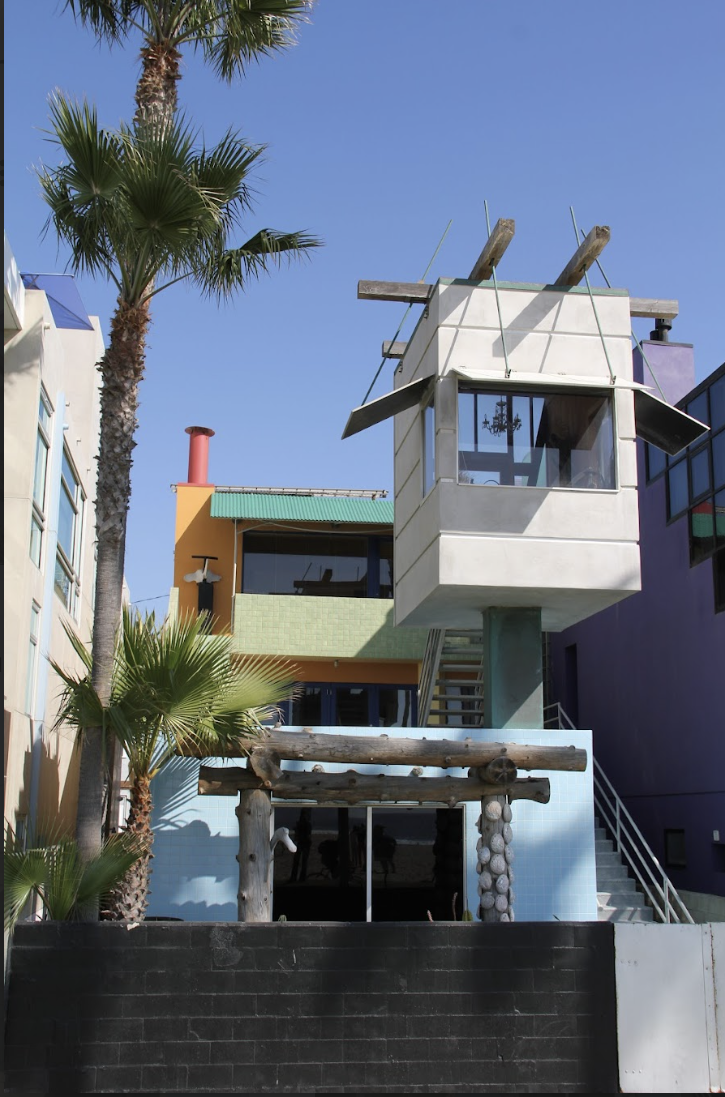
Abbot Kinney is rapidly changing into a street with large corporations instead of the local small Venice stores that kept it authentic.
But every Saturday, the idea of what Abbot Kinney used to be was recycled and brought back to life through the Artists & Fleas Market based at Westminster Elementary School. As of December 2025, the flea market (which had been around since 2016) has shut down and Abbot Kinney no longer has that last thread keeping it from feeling like it’s just another street that has fallen to gentrification.
Almost every Saturday, I would find myself driving down the way too skinny side streets around Abbot Kinney looking for parking to go to the local flea market I grew up going to. Whether I was going to get gifts for my friends or browsing around for myself, the flea market always brought me a sense of community.
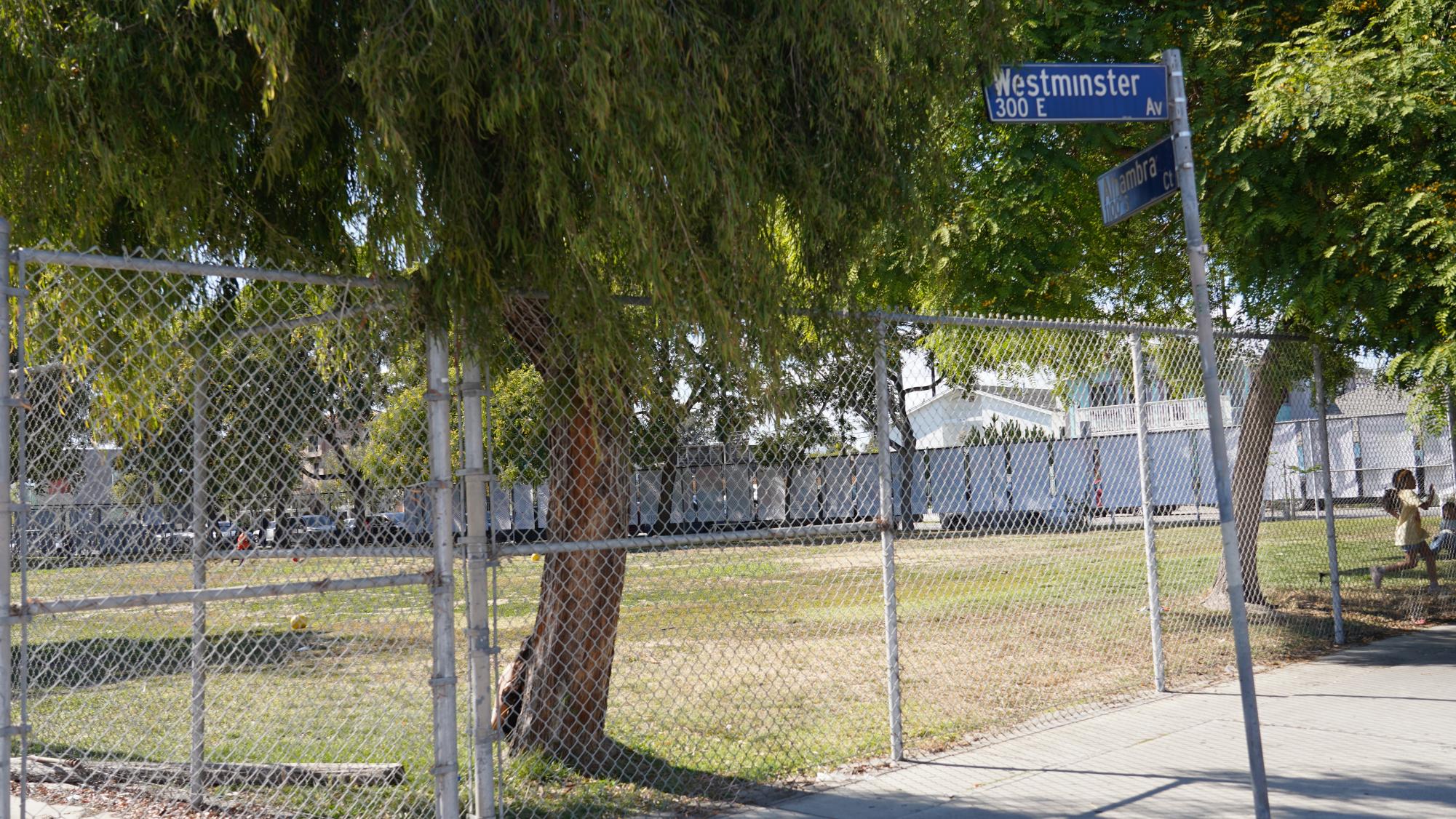
A few weeks ago, I followed my favorite usual Saturday routine and headed to the flea market with my friend. As I drove past the Westminster yard, the place where the flea market established its home every week, I saw nothing there. It was a ghost town. The grass looked even more dead with no flea market bringing it to life.
I still decided to park because I didn’t want to believe it was gone for good.
As I drove down the side streets, parking was the easiest it had been. No foot traffic or cars honking at you as you try to parallel park on the world’s thinnest streets.
I stood outside the fence that surrounded the deserted plot of what should be the flea market and frantically searched up why it was gone. I found out what I did not want to believe—it was permanently closed.
The gentrification of Abbot Kinney and the continued name brand chain stores opening up has pushed away all the smaller stores and vendors that made Abbot Kinney hold on to that last bit of community it had.
Venice native and community school coordinator Brian Bleser lived only a few blocks from Abbot Kinney Boulevard, then known as West Washington Boulevard, as a kid in the 1970s and 80s.
Things really took off in the late 1990s and early 2000s, and when he came back to Venice High School as a teacher in 2006, things were different.
“All of a sudden I walk in my own neighborhood and I don’t recognize it,” says Bleser. “There were these big, remodeled houses and huge gated off compounds.
“At that point, Abbot Kinney had already developed into shopping, high end boutiques, and fancy restaurants…but they were still kind of sporadic,” says Bleser.
It wasn’t until the 2010s that the prevalence of high-end shops really exploded and it became more gentrified.
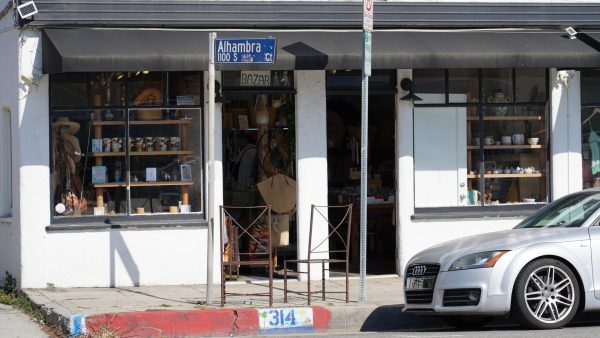
Employee Ro Hasperue, who works at the small business Bazar on Westminster Avenue, says that Abbot Kinney is “completely losing its culture.”
“It’s becoming another Third Street Promenade,” she says.
Bazar sells candles, jewelry, antiques, clothing, and household items. A lot of the things found there are handmade, imported, or vintage.
“The large chain stores opening are expelling out small businesses that can’t afford the rising prices,” she says. “Ever since the flea market shut down, the flow of people has also decreased. A lot of people came from the market.”
The Artists & Fleas Market’s shutting doesn’t just affect all the people like me that planned their Saturday mornings around it; it also affects all the small businesses that might not be able to have permanent store fronts.
BC Hoffman, owner of BC’s Icys, sold at the Venice’s Artists & Fleas.
“For many small businesses, markets are one of the few accessible ways to reach customers, especially early on,” he says. “Losing those spaces means losing visibility, income, networking opportunities, and community support systems.”
The Artists & Fleas Market was one of the only flea markets close by that didn’t feel overpopulated, overwhelming, or make you feel like you just drove for hours stuck in traffic to get there.
Abbott Kinney has a very creative energy, and the Artists & Fleas Market being held in that area allowed for the small businesses to grow from the environment around them, whether that be other business owners or people stopping by to admire handmade jewelry, ceramics, and food or vintage clothing and accessories.
“Flea Markets create opportunities for discovery,” Hoffman says. “Some of the most unique brands, artists, and food concepts people love today probably wouldn’t exist without spaces where small businesses were first able to take a chance.”
The closing of this flea market, as sad as it made me, will also make the local vendors that used the Westminster grass to plant their seed and grow their businesses even more devastated.